
When Things Go Wrong
The call you want your teen to make.
Your teen is driving, working, and going places without you. Sooner or later something will go wrong when you are not there. These pages give your teen a simple plan for each moment and give you the first words to say, so that calling home always feels like the safe choice.
Group 1: On the Road
A car gives your teen freedom, and it also hands them their first real emergencies, usually when you are not there. These eight pages give your teen a plan for each one and give you the first words to say, so that calling home feels like the safe choice every time.

A Car Accident
Your teen was driving, there was a crash, and the next few minutes matter more than the dent.

A Flat Tire or Breakdown
The car has stopped working, your teen is stuck, and they need to know that calling you is the plan, not a failure.
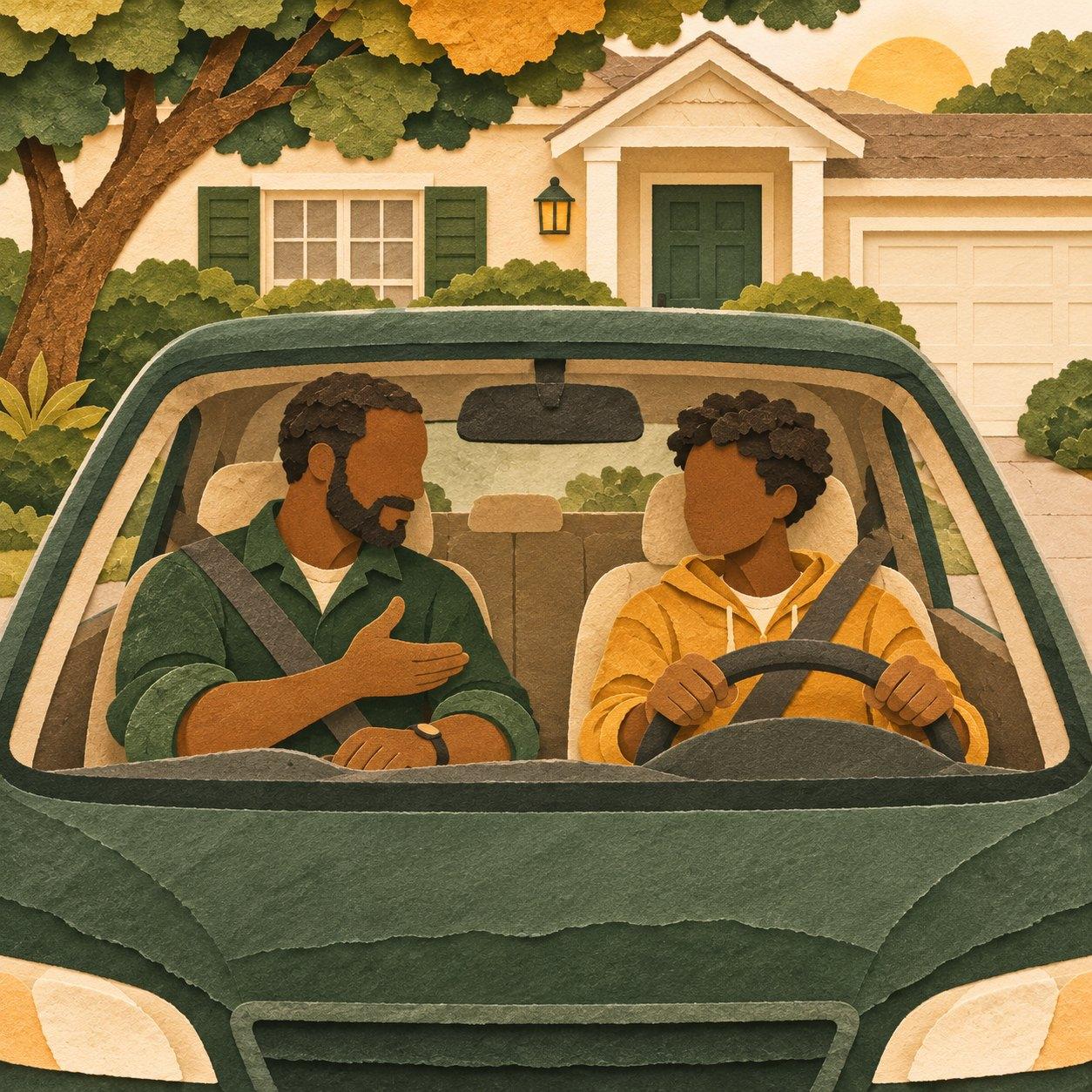
Pulled Over by a Police Officer
Lights appear in the mirror, and your teen needs a simple, calm routine to follow.

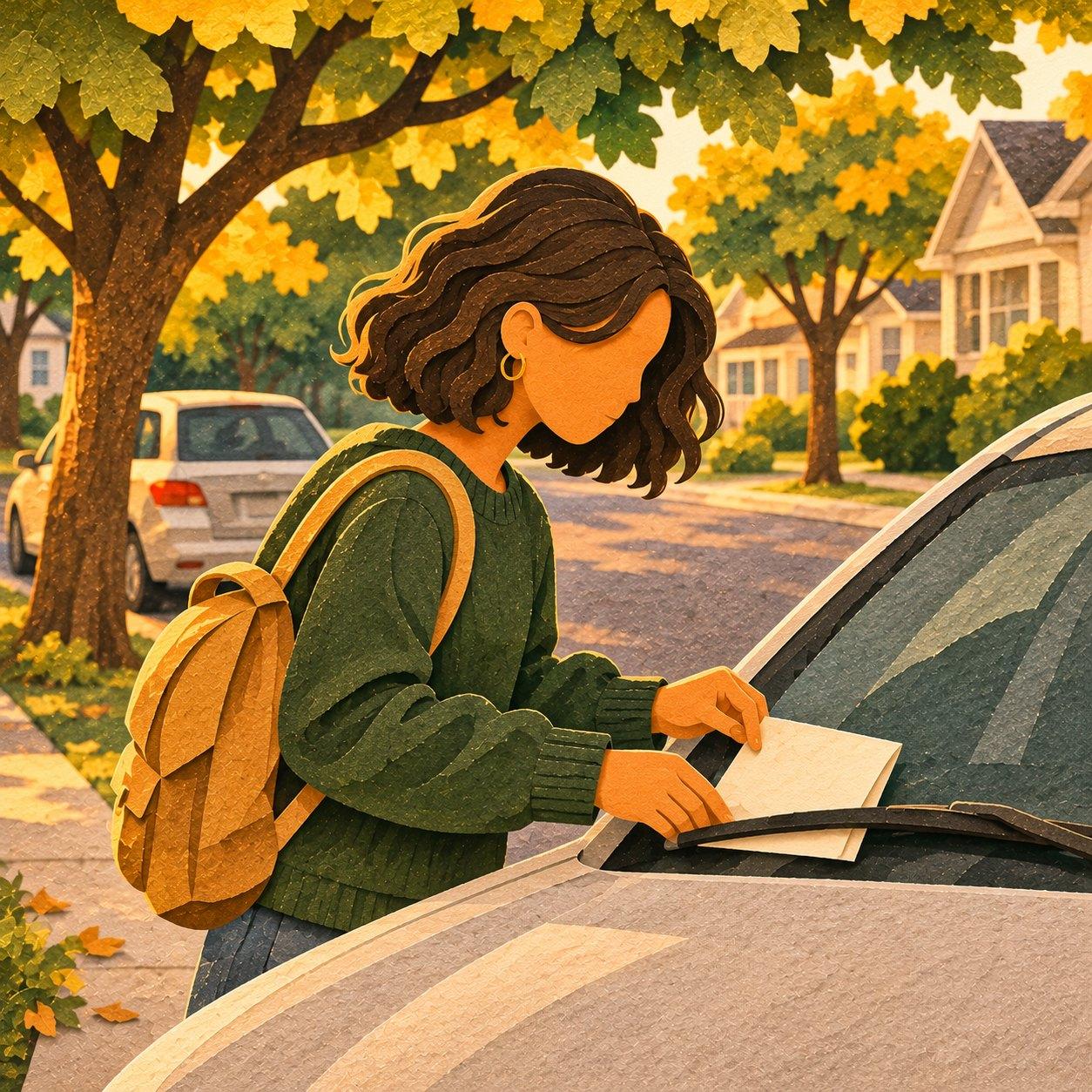
A Speeding or Parking Ticket They Have to Tell You About
Nobody is in danger, but your teen is carrying a piece of paper and deciding whether to hide it.

Running Out of Gas, or Locking the Keys in the Car
A small, common mistake that feels huge to a teen who does not want to look careless.
A Friend Who Has Been Drinking Wants to Drive Them Home
Your teen's ride is not safe, and the bravest thing they can do is call you.

Being a Passenger When the Driver Is Reckless
Your teen is in someone else's car, they do not feel safe, and they need a way out that does not start a fight.
Hitting an Animal, or Damaging a Parked Car When No One Is Around
No one saw it happen, which makes this a test of honesty as much as a driving problem.
Group 2: Out on Their Own, Work and Money
Sixteen and seventeen are the years when your teen starts handling the world without you standing next to them: late rides, first jobs, their own money. These nine pages cover the moments when something goes wrong out there, and how your first sentence can make sure they call you the next time too.

Lost, or stranded without a ride, late at night
Your teen is stuck somewhere late with no way home, and the only thing that matters right now is getting them back safely.
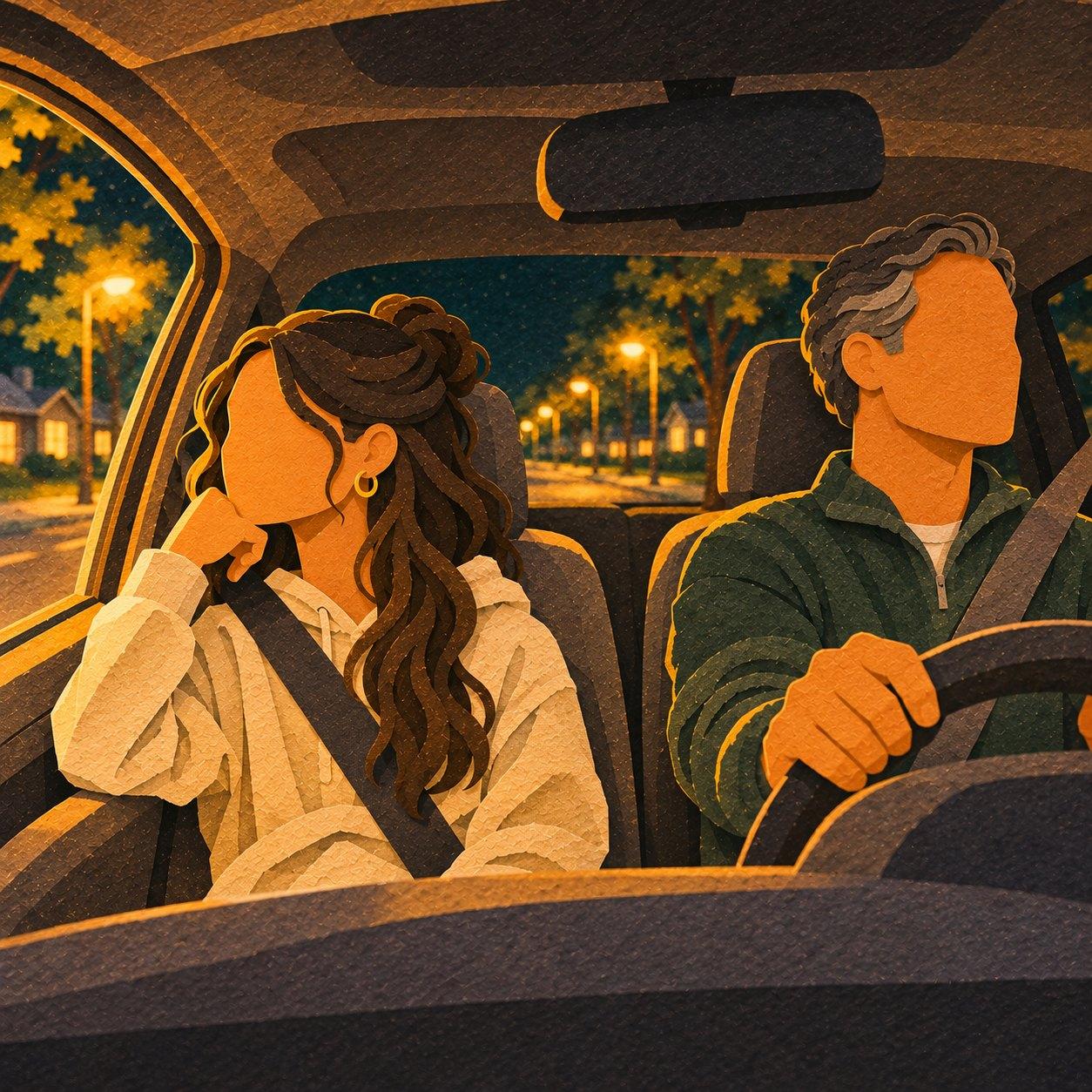
A party that gets out of hand, and they want to leave
Your teen is somewhere that no longer feels safe and wants out, and the call home is the best decision they will make all night.

Phone dead or lost, and no way to reach you
Your teen has gone silent, not because they are ignoring you, but because the phone is dead or gone.

Being followed, or made uncomfortable by a stranger
Something about a person nearby feels wrong to your teen, and that feeling deserves to be taken seriously.

Losing a wallet, a bank card, or the house keys
Something important is missing, and the sooner your teen tells you, the smaller the problem stays.
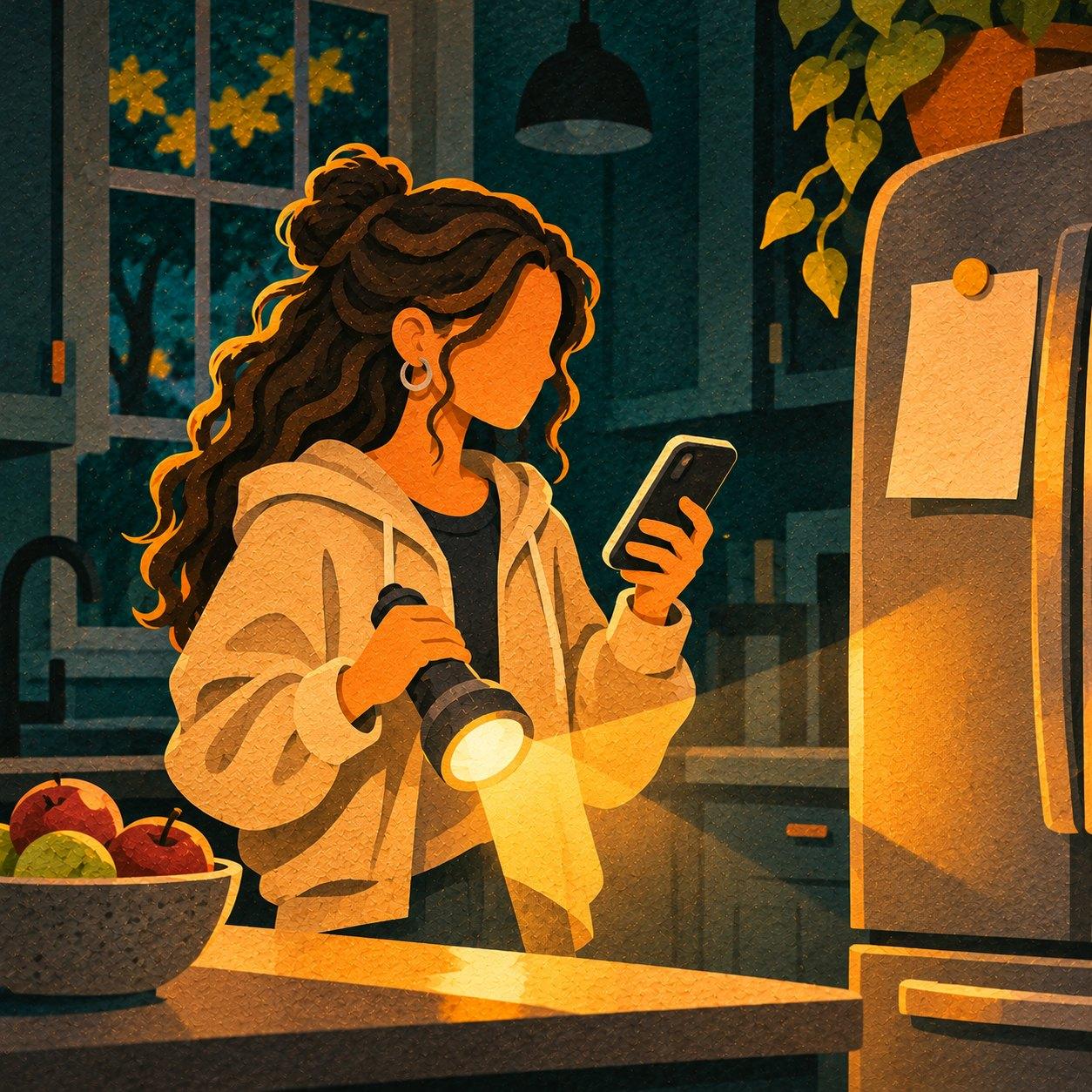
Home alone when something goes wrong: a leak, a power cut, a smoke alarm, a knock at the door
Your teen is in charge of the house and something unexpected happens, and they need to know that calling you is part of handling it well.

A first job going badly: a harsh boss, a mistake, being let go
Your teen's first job has hit a rough patch, and they need a steady adult to help them sort out what is theirs to fix and what is not okay.

Being scammed, or sending money to someone online
Your teen has been tricked or pressured into sending money, and what they need most is a parent who makes it safe to tell the whole truth quickly.

Overspending, or an unexpected charge on their account
The money is gone or a charge has appeared that your teen did not expect, and this is a learning moment that goes best when it is not a shaming one.
Group 3: Health and Safety, School and Friends, Bigger Moments
These nine pages cover the moments when a teenager is hurt, worried about a friend, hiding something, or far from home, and has to decide whether to call you. In each one, your first sentence matters more than anything that follows, because it decides whether they call next time.
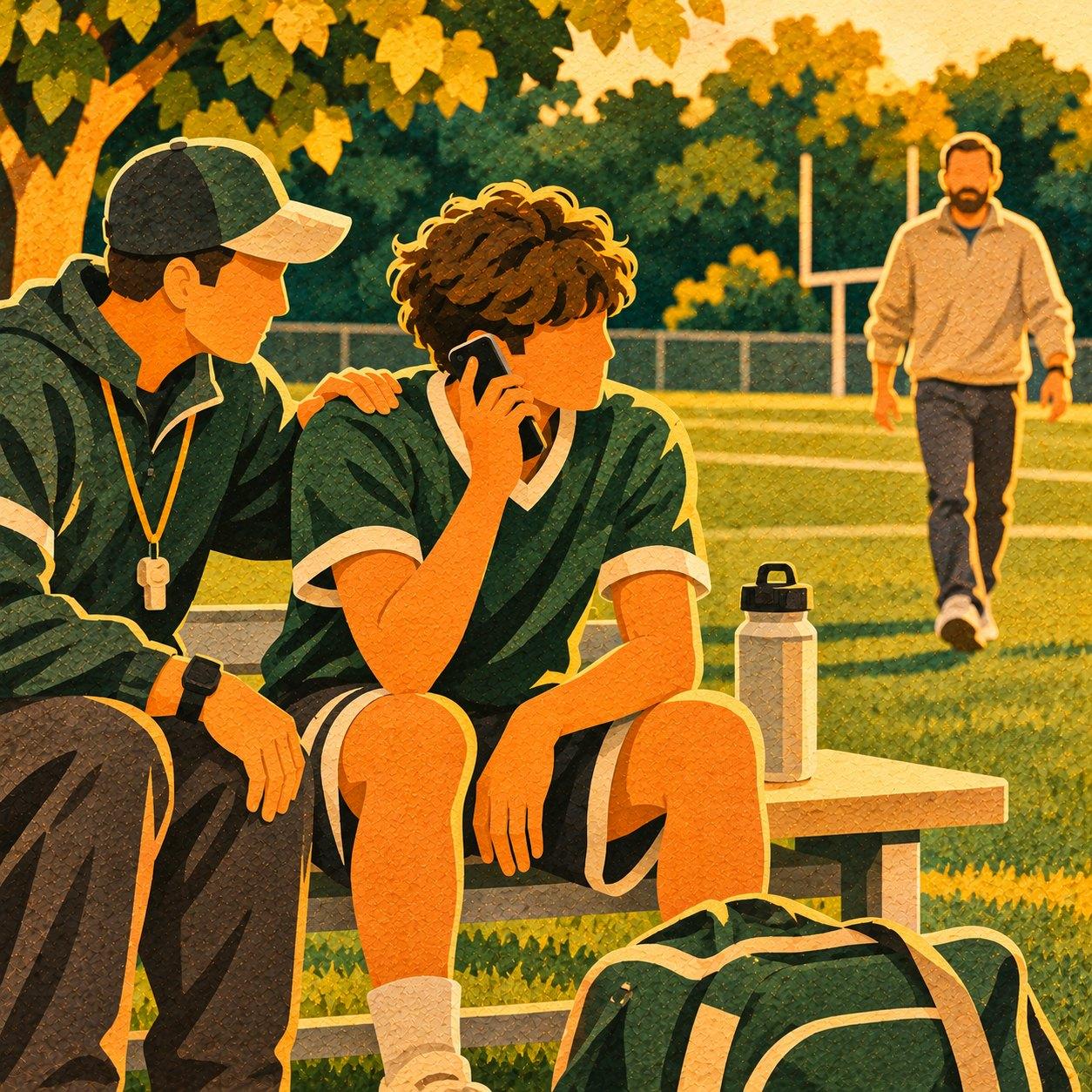
Getting hurt when you are not there: a sports injury, a kitchen burn, a fall
When your teen gets hurt away from you, a calm voice on the phone helps them think clearly and get the right care.

A friend who is very drunk, unwell, or in danger
When a friend is in trouble, getting help is always the right call, even if someone might get in trouble.

A friend who says something worrying about hurting themselves
When a friend says something that worries your teen, the kindest thing your teen can do is tell a trusted adult the same day.

A failed test or class they have been hiding
A hidden grade is usually about fear, not laziness, and how you respond decides whether the hiding stops.

Caught cheating, or in trouble at school
When your teen is in trouble at school, you can hold them accountable and still be on their side.

Something they posted or sent online that they regret
When something online goes wrong, your teen needs a calm adult quickly, and shame is what keeps them from asking.

A breakup, or being dropped by a friend group
Heartbreak at 16 is real heartbreak, and your teen needs your company more than your advice.

"I need to tell you something, and you are going to be mad"
This is the script for any hard disclosure, and the heart of it is your first sentence.

The first night away: a school trip, a college visit, moving into a dorm
The first night away can bring a wave of homesickness, and a steady parent on the phone helps a young person stay and settle.